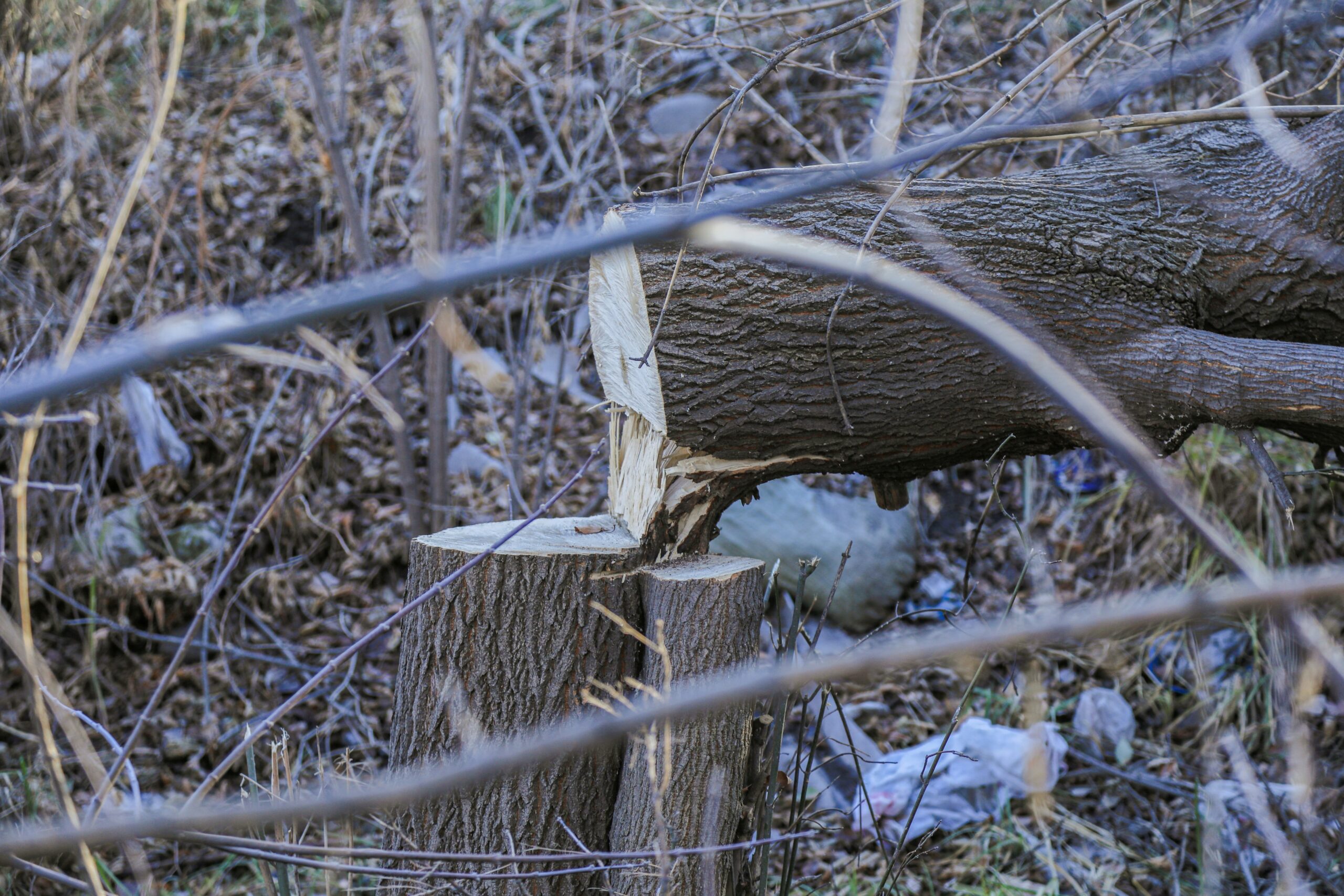
When the European Union introduced its Deforestation Regulation (EUDR), it sent a clear signal: if you’re importing rubber into the EU, you’ll need to prove it didn’t come from deforested land. That might sound straightforward, but in reality, the rubber industry is dealing with scattered supply chains, smallholder producers, and a long list of data requirements. The EUDR deadline is coming up fast, and it’s putting pressure on businesses to rethink how they manage their sourcing and documentation.
In this article, I’ll walk through what rubber companies need to know, how to collect the right information, and what tools can help. Whether you’re part of a global supply chain or working directly with growers, the key is to stop thinking of EUDR as just another rule and start treating it like a shift in how the industry works.
What Changed and Why It Matters Now
The EUDR is the EU’s response to the role global trade plays in deforestation. Rubber is one of the targeted commodities because of its environmental footprint, especially in Southeast Asia. For companies, this means showing that their rubber wasn’t grown on land that was deforested after December 31, 2020.
If you can’t prove that, your product could be rejected at the border. Worse, non-compliance could trigger fines or even a ban from the EU market.
But it’s not just about legality. The regulation flips the burden of proof onto businesses. You’re responsible for tracing your rubber all the way back to the source and proving it’s clean. That means gathering precise geolocation data, verifying your suppliers, running risk assessments, and reporting everything to EU authorities.
It Starts With Traceability
Let’s be real: the rubber supply chain isn’t built for transparency. Latex often changes hands multiple times between farm and factory. A single batch can include contributions from dozens or even hundreds of smallholders. But EUDR doesn’t leave much room for gaps.
To comply, you’ll need to trace your rubber through every stage, from harvesting to shipment. And it’s not enough to say where it came from. You’ll need coordinates, timestamps, and documentation at each step.
You’ll need to gather:
- Geolocation coordinates for every farm involved
- Details about each supplier, including ownership
- Harvest dates and volumes for each lot
- Batch-level tracking during processing
- Trade and customs documents for EU import
Mapping the Journey: Where the Data Comes From
The hard part isn’t collecting data from one or two large suppliers. It’s building a complete picture when your sources include thousands of small farms with limited digital records. That’s where a lot of companies are getting stuck.
Some are still relying on spreadsheets and manual checks. Others are using third-party systems that weren’t built with EUDR in mind. But under this regulation, guesswork and approximations won’t cut it.
A more effective approach:
- Digital mapping of supply chains with farm-level detail
- Satellite imagery to confirm land use history
- Blockchain tools to secure and verify transactions
- Supplier onboarding portals to gather certifications and declarations
The companies that are staying ahead are the ones automating this process and reducing the risk of human error.
How Risk Assessment Works in Practice
One part of EUDR that tends to cause confusion is the requirement for ongoing risk assessments. You can’t just hand over data once and call it a day. You have to prove you’ve reviewed the data, flagged any high-risk suppliers, and taken steps to reduce your exposure.
This risk analysis isn’t just for internal use either. EU authorities will expect to see how you came to your conclusions.
Effective risk management usually includes:
- Assigning a risk score to each sourcing region
- Monitoring satellite data for recent land changes
- Verifying supplier claims against external databases
- Tracking certification status (like FSC or PEFC)
- Keeping an audit trail of changes and decisions
If you don’t have the time or resources to do this manually, it’s worth exploring platforms that offer built-in risk monitoring and alerts.
Smallholder Inclusion Without Compromising Compliance
One of the most sensitive parts of rubber traceability is the role of smallholders. These are often rural farmers working on small plots without GPS tools or formal records. Cutting them out to simplify compliance might sound tempting, but it’s not the answer.
The challenge is to bring them into the fold without overwhelming them or losing accuracy.
That often means:
- Offering mobile-friendly tools for data submission
- Providing training on what data is required
- Helping smallholders verify land use with satellite-backed tools
- Grouping farms under cooperative-based verification structures
Several platforms are already helping companies digitize smallholder data collection in bulk, making it easier to maintain both traceability and inclusivity.
What EUDR Reporting Actually Involves
Once you’ve gathered your data and assessed the risk, you still need to report it. This includes submitting a due diligence statement (DDS) to EU systems before placing goods on the market. These reports must be audit-ready and supported by verifiable data.
Your DDS should cover:
- Full traceability and sourcing information
- Proof of geolocation and land use compliance
- Description of risk assessment steps
- Summary of mitigation measures (if needed)
- Documentation backups for all claims
There’s no standardized format for every business, but the EU is pushing for more structured and machine-readable submissions. Automating this process can reduce human error and help avoid rejected shipments.
The Role of Third-Party Certification
While the EUDR doesn’t require certification, it can support your case. Having FSC or PEFC certified rubber won’t guarantee compliance, but it helps demonstrate that you’re sourcing responsibly. Third-party audits can also serve as extra evidence if your internal systems are ever questioned.
The key is to make sure any certification is up to date, tied to the specific lots you’re importing, and mapped back to the correct geolocation data.
What Tools Are Companies Using?
Several platforms are emerging as go-to tools for EUDR compliance in rubber. These include blockchain systems, satellite-based land monitoring tools, and traceability platforms that integrate with customs reporting systems.
Some features to look for:
- Farm-to-port traceability
- GeoJSON mapping and historical land cover validation
- Supplier dashboards with compliance scores
- Integration with EU DDS platforms
- Automated report generation
The cost of these platforms varies depending on the scale of your operation, but for most businesses, it’s becoming a necessary investment.

How We Help Rubber Companies Stay Compliant
At EUDR Compliance, our goal is to make EUDR compliance easier, faster, and more accurate for companies across the rubber supply chain. We know the pressure you’re under. That’s why we’ve built a platform designed to remove the guesswork and replace spreadsheets with clear, satellite-based insights.
Our system automates much of the heavy lifting: from gathering geolocation coordinates and verifying supplier data to generating audit-ready compliance reports. Everything is backed by reliable deforestation analysis, so you can act with confidence, not uncertainty.
We’ve worked hard to make our solution accessible for companies of all sizes. Whether you’re a multinational importer or a supplier managing smallholder networks, the platform is easy to use, cost-effective, and built to scale. No expensive infrastructure or steep learning curve. Just accurate, dependable data that helps you hit every requirement, without slowing down your business.
Need to prove your rubber is deforestation-free? We’ll help you map your production sites, validate origin documents, and keep your supply chain records clean and organized. It’s sustainability monitoring made simple.
Key Deadlines to Know
The EUDR enforcement starts on December 30, 2024, for large companies. Small and micro-enterprises have until June 30, 2026 to comply. But keep in mind: setting up full traceability and reporting systems doesn’t happen overnight. If you want to avoid disruptions, the time to prepare is now.
Common Pitfalls and How to Avoid Them
Let’s go over a few mistakes I keep seeing and how you can steer clear of them.
- Incomplete geolocation data: Don’t stop at general coordinates. The regulation expects polygon-level accuracy.
- Assuming certification is enough: It helps, but it’s not a substitute for actual due diligence.
- Ignoring smallholders: Excluding them can backfire. Instead, help them get onboard.
- Delaying system upgrades: Manual tracking won’t scale. Start automating early.
- Treating EUDR as a one-time task: It’s ongoing. You’ll need to refresh data, update assessments, and adapt.
Final Thoughts
EUDR rubber compliance isn’t just about avoiding penalties. It’s about creating real visibility in a supply chain that’s often opaque by design. That takes work, no doubt, but it’s also a chance to build better systems, strengthen your sourcing practices, and prove you’re serious about sustainability.
It’s not about being perfect. It’s about showing that you’ve done the work, collected the data, and made informed decisions. If you’re still relying on outdated methods, now’s the time to step up.
Get your geolocation data sorted. Map your suppliers. Run those risk checks. Because when the deadline hits, it’s the companies who planned ahead that will keep moving.
Frequently Asked Questions
What kind of geolocation data does EUDR actually require for rubber?
You’ll need to provide precise geolocation coordinates for every production site involved in the rubber you’re placing on the EU market. This isn’t just a pin on a map. The EU expects polygon data that outlines the full boundary of each plot, tied to harvest dates and supplier records. That way, regulators can cross-check against satellite data to confirm the land wasn’t deforested after December 2020.
Do smallholder farms need to submit data individually?
Not necessarily. If you’re sourcing from smallholders, you don’t have to onboard every single farmer into your system one by one. Many companies are grouping farms into cooperative structures or working through aggregators that collect and standardize the data. What matters is that the end result meets the traceability and verification requirements – even if the farms are remote or offline.
Is FSC or PEFC certification enough to comply with EUDR?
It helps, but it won’t cover everything. Certification shows you’re serious about sustainability, and it can back up your claims during audits. But you still need to provide full traceability, run risk assessments, and submit a due diligence statement. EUDR is more about proof than labels, so even certified rubber has to be tracked back to a compliant plot of land.
How often do we need to update our compliance data?
EUDR isn’t a one-and-done kind of deal. Your supply chain will evolve, and the regulation expects you to keep up. If a new supplier joins, if land use changes, or if a certification expires, that’s all relevant. Risk assessments should be updated regularly, and data should be current when you file each due diligence statement. Think of it as ongoing maintenance, not a single report.
What happens if we miss the deadline or fall out of compliance?
The consequences are real. At best, your shipment might get flagged or delayed. At worst, you could face fines, lose access to the EU market, or be listed as non-compliant – which doesn’t look great to partners or customers. That’s why so many companies are moving fast to get systems in place now, not next year.
Can we manage EUDR compliance without using special software?
Technically, yes, but it’s risky. Manual processes might work for small batches or low-volume operations, but once you’re handling multiple suppliers and thousands of data points, things get messy fast. Errors, missed deadlines, or incomplete documentation can cost you. That’s why most serious exporters are turning to platforms built specifically for EUDR compliance – it saves time and lowers the risk of non-compliance.